The question my physical therapist asked that changed my sleep
For most of my forties, mornings started with a slow, careful turn of the head — a daily test of how much my neck would punish me. Some days, a dull stiffness that faded by lunch. Other days I couldn't check my blind spot on the drive to work.
I blamed my desk. I blamed stress. I never blamed the ten-year-old pillow I folded in half every single night just to feel some support under my head.
The honest answer was: nothing. So when a friend wouldn't stop talking about an ergonomic “butterfly” pillow called Derila Ergo — an upgraded version of a design that has sold over 2 million units — I tested it the only way that means anything: thirty nights, notes every morning, no shortcuts.
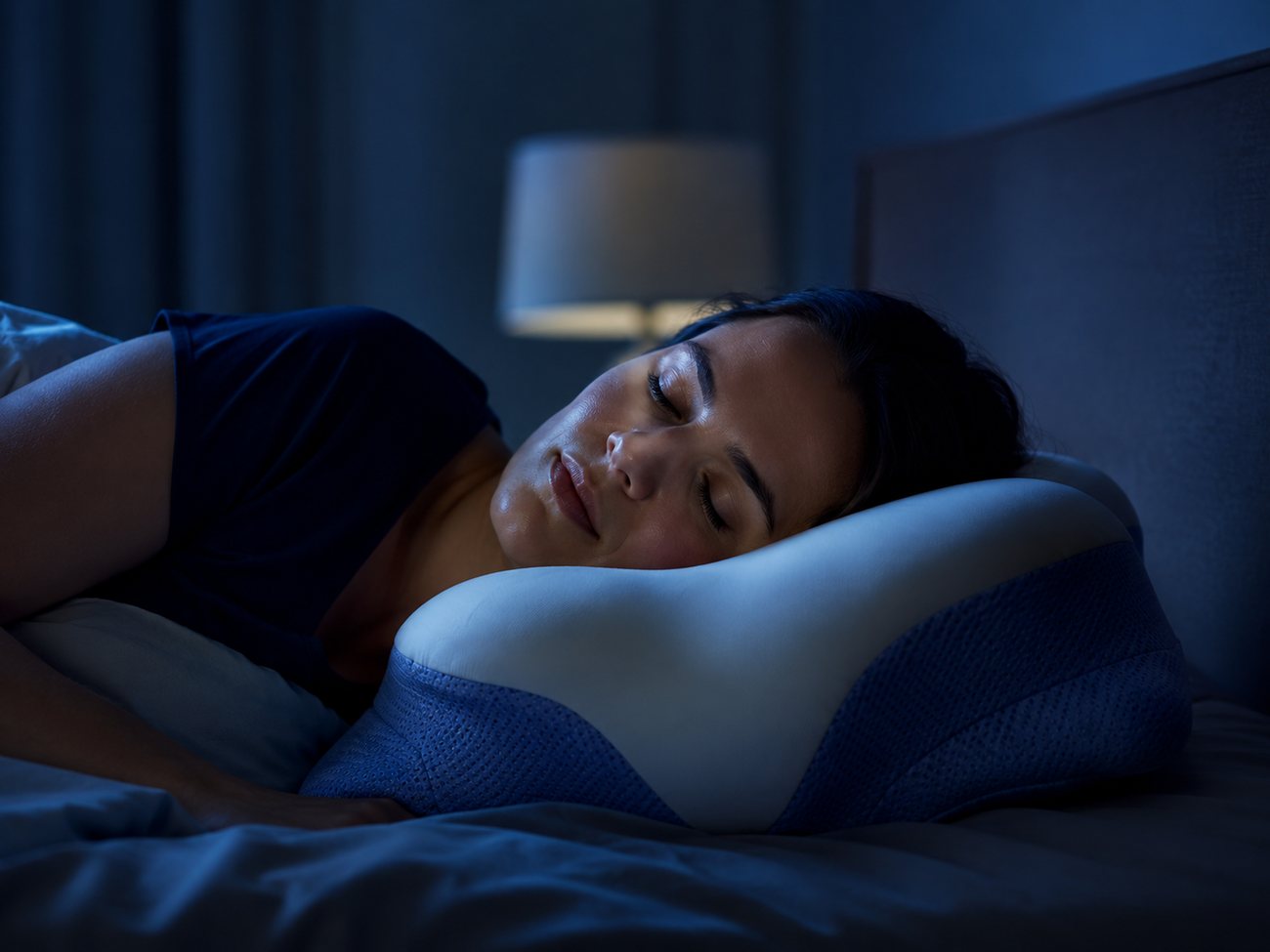
What's happening to your neck at night
Drag the slider — a flat pillow vs. ergonomic support. The difference is the angle of your spine for 8 hours straight.
Every curve of the weird shape has a job
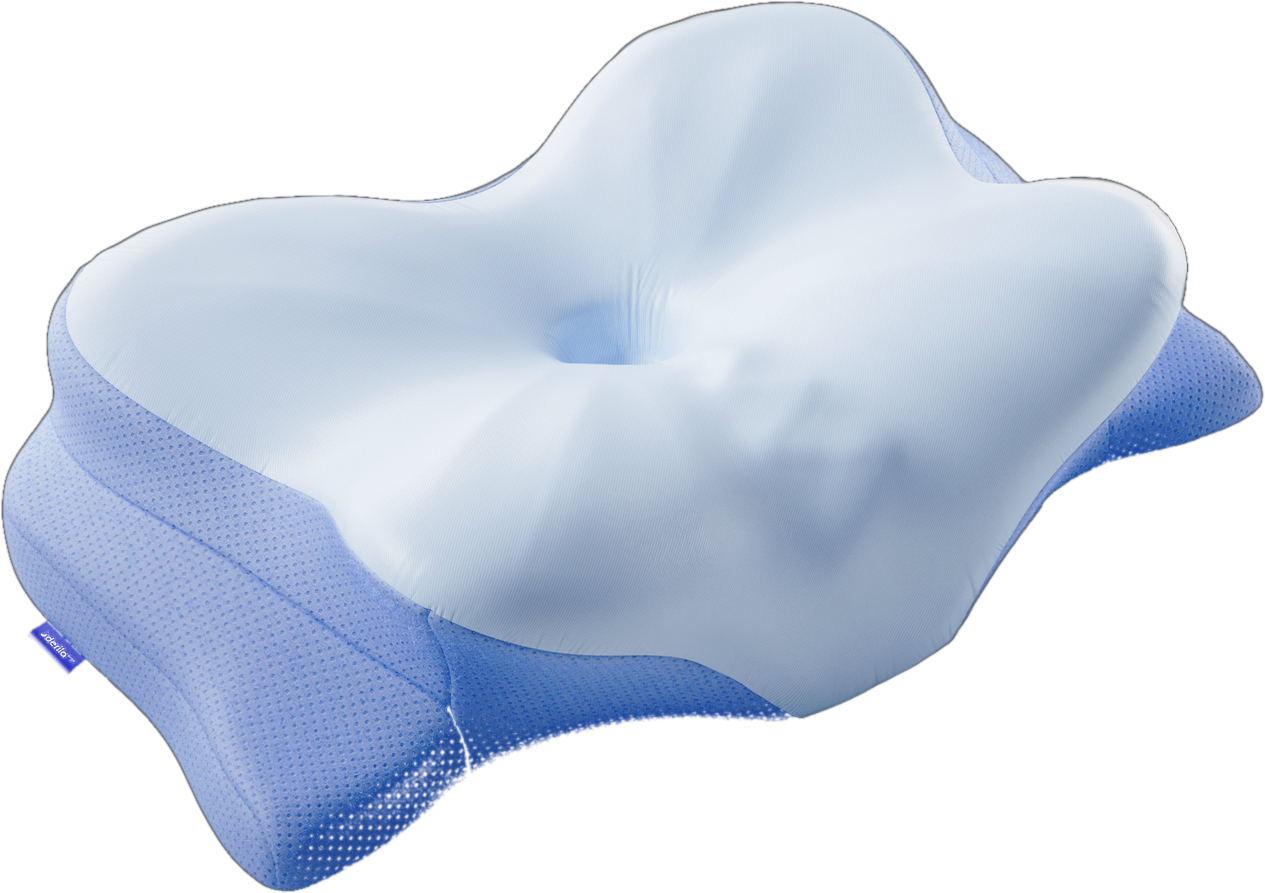
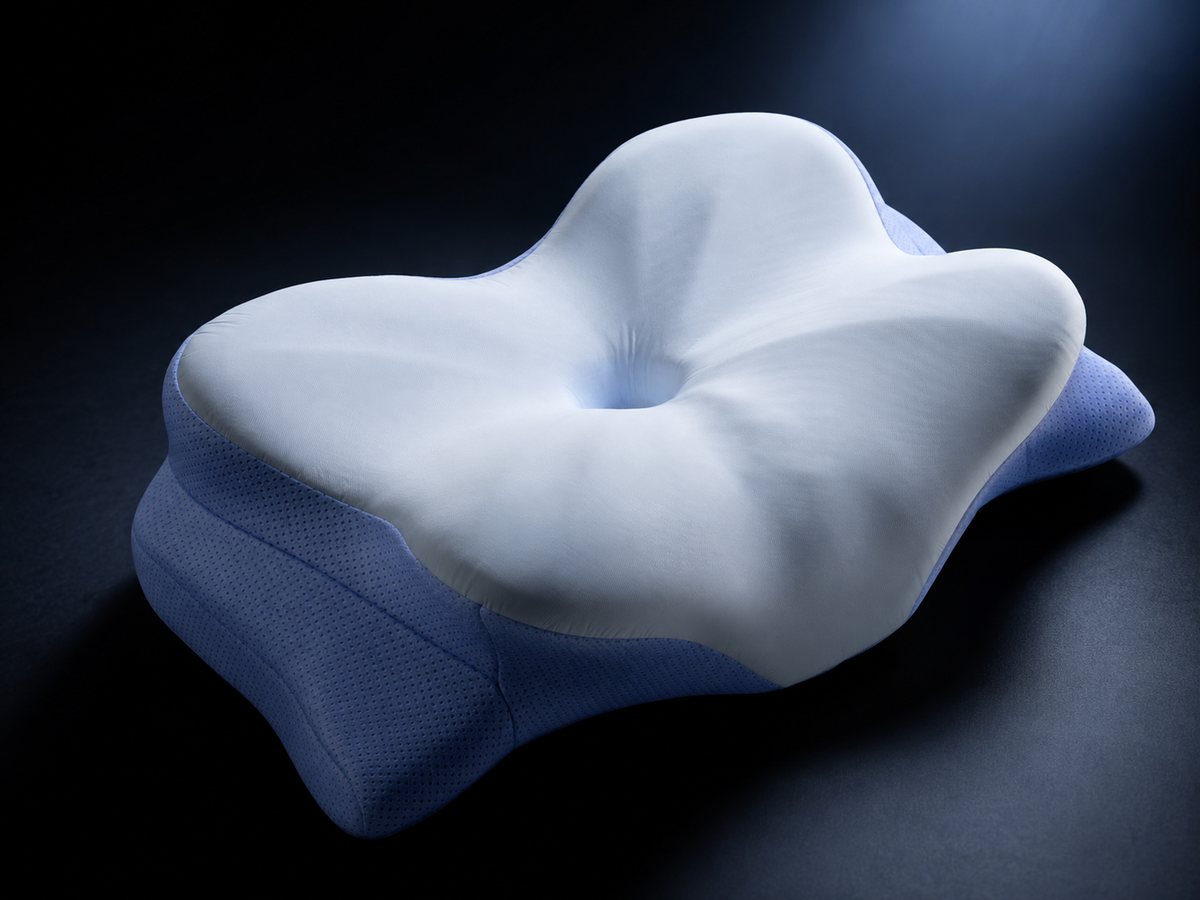
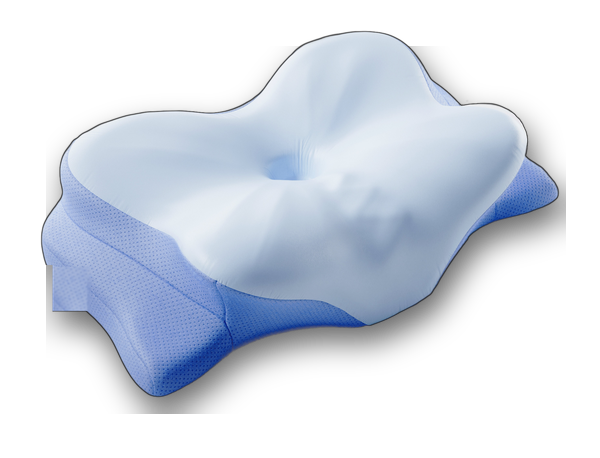
Out of the box it looks nothing like a normal pillow — a sculpted block of high-density memory foam with wings, a head cradle and a raised neck ridge. Tap the numbers to see what each zone does.
1Head cradle
A recessed center keeps your head from rolling or sinking through the night — the support at midnight is the same support at dawn.
2Butterfly support wings
Raised wings on both sides help keep your spine in one straight line whether you sleep on your side or your back.
3Neck support ridge
The raised ridge fills the gap under the curve of your neck — the gap a flat pillow leaves open — so those muscles can finally relax.
4Arm space + cooling foam
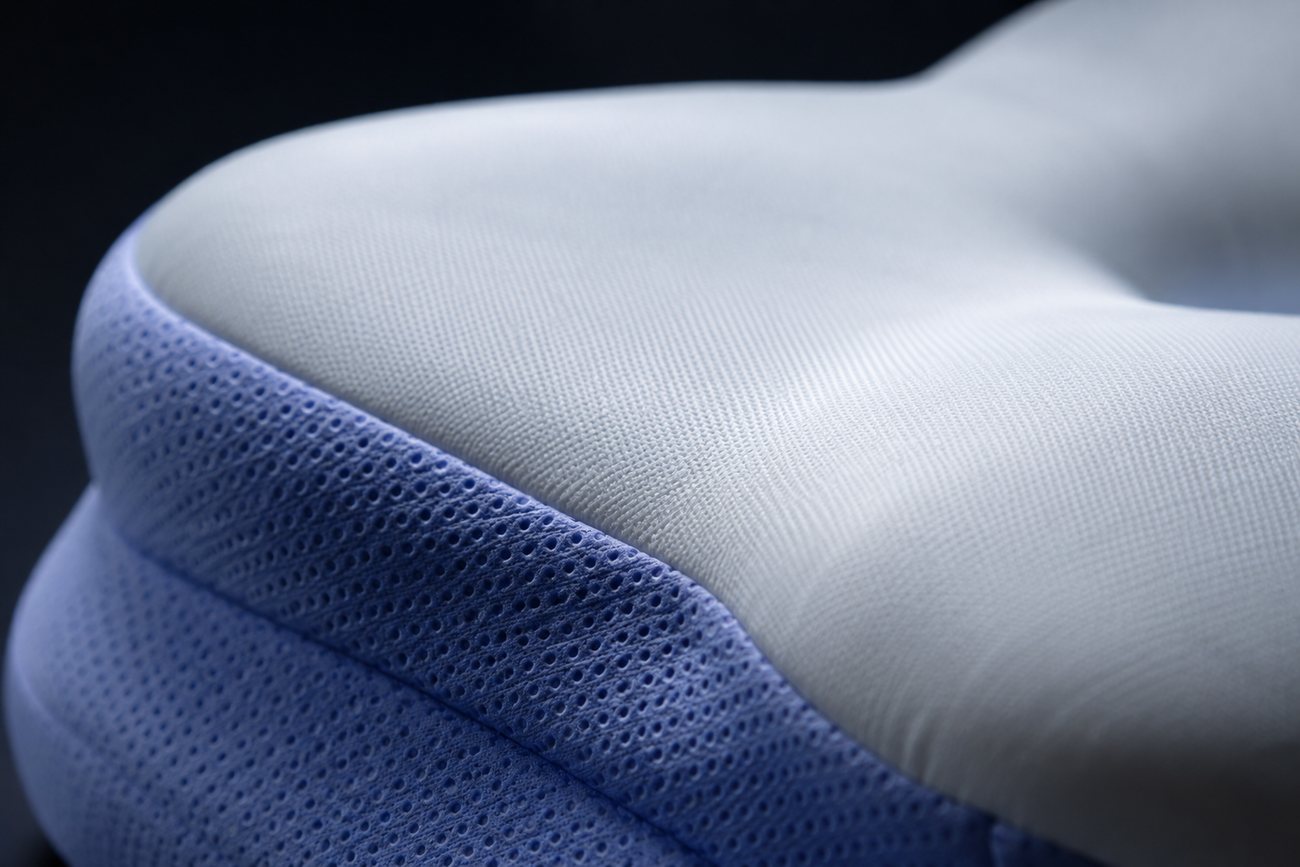
Notches leave room to tuck your arm under without it going numb. The breathable foam ran noticeably cooler than my old memory-foam pillow, and the hypoallergenic cover zips off for the wash.
30 nights, honestly logged
Weird, then fine.
My body was used to a pancake, so the first night felt unfamiliar. By night three, the “cradled” feeling around my neck stopped being strange and started being the reason I fell asleep faster.
First morning with zero stiffness.
I sat up, turned my head fully both ways, and actually laughed. My wife also noticed the house was quieter at night — better head position turned the volume down on my snoring.
The 3 a.m. pillow-flipping habit died.
No more re-stacking and folding in the dark. The foam keeps its loft all night, every night.
The real test: one night back on the old pillow.
I woke at 4 a.m. with the familiar pull along my right shoulder. That settled it — the old pillow went in the donation bag.
My experience — every body is different, and a pillow is not a medical treatment. That's exactly why the 60-night guarantee mattered (below).
*Percentages from the manufacturer's customer survey, published on the official product page.
Who it's for — and who should skip it
The official site is running 75% off
At full price ($149+) I'd call this a maybe. At the launch promo, it was the easiest sleep upgrade I've tested. Multi-packs drop the per-pillow price even further:
Starter · 1 pillow
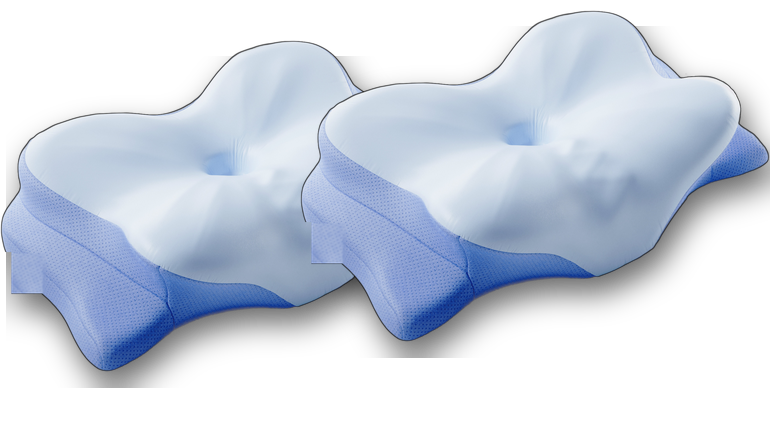
Couple · 2 pillows
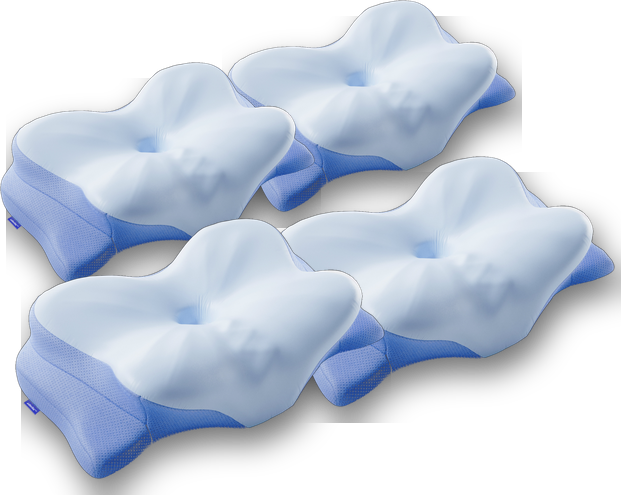
Family · 3 + 1 free
Promotional pricing is set by the manufacturer and can change or end at any time — the official page shows what's live right now.
Before you decide
How long until you feel a difference?
Does it work for side AND back sleepers?
What if it's not for you?
Is the 75% off legit?
Would I buy it again? I bought two.
“Thirty nights in, it did what a decade of regular pillows never managed: my mornings stopped starting with a neck check.”